The Function of Light Weight Aluminum Casting in Cutting-edge Production Solutions and Applications
Aluminum Casting has become a critical part in modern manufacturing. Its capacity to create light-weight and complex components is especially useful across numerous industries. As sectors endeavor for effectiveness and ingenious style, the improvements in aluminum Casting innovations are substantial. However, the implications of these developments extend past simple manufacturing. Comprehending the full influence of light weight aluminum Casting might disclose unforeseen understandings into future production techniques.
Understanding Aluminum Spreading: A Fundamental Review
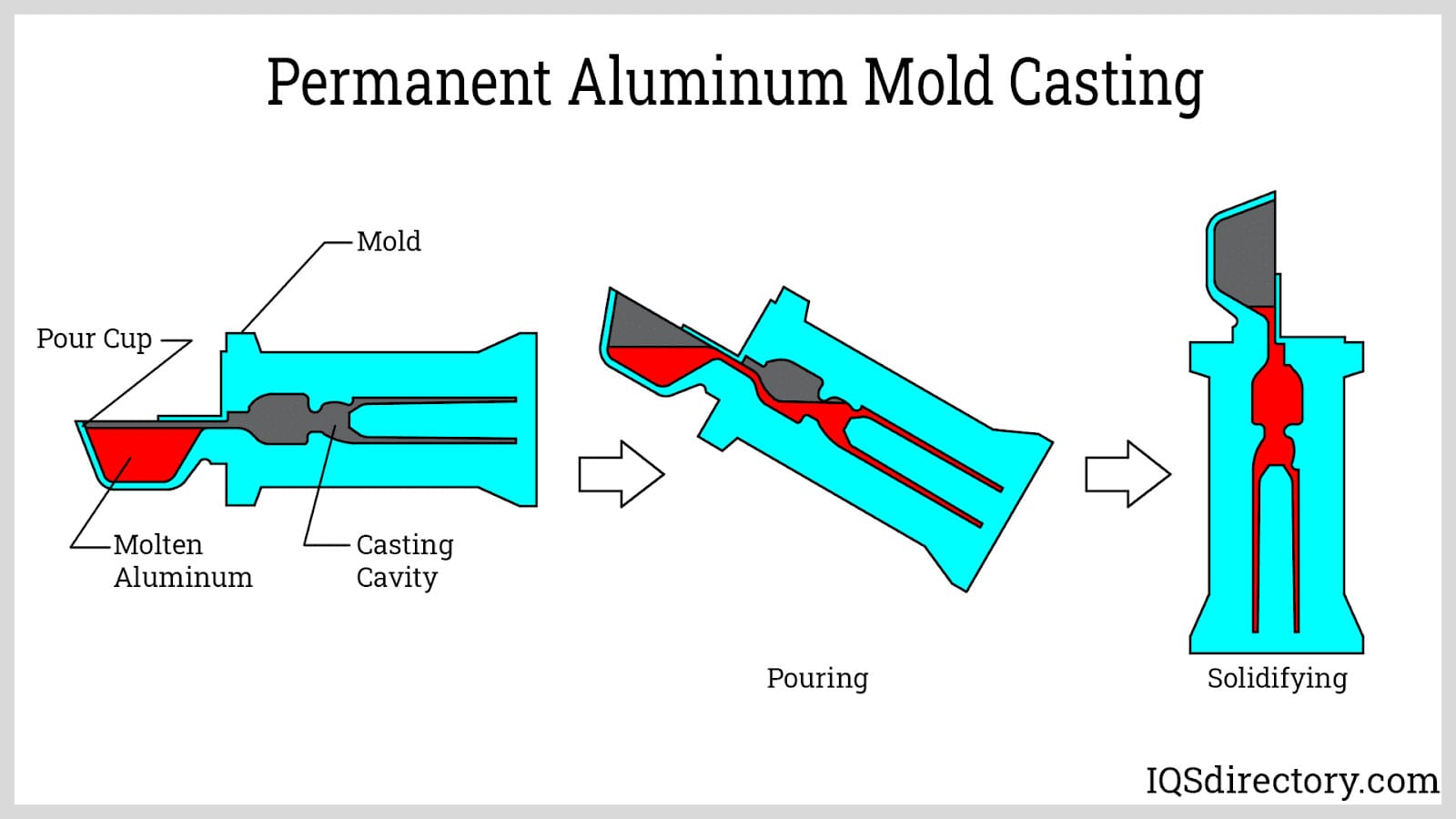
Aluminum casting offers as a pivotal process in the production sector, transforming liquified light weight aluminum into complex shapes and parts. This approach encompasses numerous methods, including sand casting, pass away spreading, and financial investment casting, each tailored to specific applications and requirements. In sand spreading, mold and mildews are produced from sand and used to form complicated geometries, while die Casting uses high-pressure to inject aluminum into steel mold and mildews, making sure accuracy and rate. Investment casting, on the other hand, provides exceptional detail and surface coating, making it ideal for detailed styles. The aluminum Casting procedure begins with melting aluminum, adhered to by putting it into ready molds. When cooled, the actors elements undergo ending up operations, such as machining and surface therapy, to enhance their performance attributes. Recognizing the principles of light weight aluminum Casting is important for manufacturers seeking to take advantage of the distinct residential properties of aluminum in their production processes, ensuring quality and performance in the final items.
Benefits of Light Weight Aluminum Casting in Production
Aluminum casting offers countless advantages in manufacturing, mainly because of its light-weight nature, which improves item performance. Additionally, its remarkable rust resistance extends the longevity of cast parts, reducing maintenance costs. The ability to create complex shapes allows for cutting-edge layouts that meet varied sector demands.
Lightweight Material Benefits
While numerous materials are used in production, the light-weight nature of aluminum Casting supplies considerable advantages that boost performance and performance. This particular minimizes the general weight of elements, helping with much easier handling and transportation throughout the manufacturing process. On top of that, lightweight light weight aluminum parts add to improved gas performance in aerospace and vehicle applications, ultimately resulting in reduced functional costs. The minimized weight can also allow even more adaptable layouts, allowing designers to introduce without jeopardizing architectural integrity. In addition, the fast manufacturing capabilities of aluminum Casting allow producers to produce light-weight components rapidly, meeting the growing demand for cost-efficient and effective remedies. Generally, the light-weight advantages of light weight aluminum Casting play an essential duty in modern manufacturing practices.
Superior Rust Resistance
When thinking about materials for manufacturing, the remarkable rust resistance offered by light weight aluminum Casting sticks out as an essential advantage. This inherent home permits light weight aluminum cast elements to hold up against severe environments, making them excellent for numerous applications in industries such as automobile, aerospace, and marine. Unlike numerous metals, light weight aluminum develops a protective oxide layer that prevents additional oxidation, making certain long life and durability. This resistance not only minimizes maintenance prices yet additionally boosts the total life-span of items. Furthermore, the lightweight nature of aluminum, integrated with its rust resistance, makes it a favored option for makers looking for to boost performance and efficiency while reducing weight. Eventually, this characteristic settings aluminum Casting as a reliable product in innovative manufacturing services.
Complicated Shape Capabilities
Releasing the possibility for elaborate styles, light weight aluminum Casting masters its ability to develop complicated shapes with accuracy and effectiveness. This production method permits the manufacturing of in-depth components that might be impossible or difficult to achieve with various other methods, such as machining or building. The fluidity of liquified light weight aluminum enables it to fill up elaborate mold and mildews, catching great information and guaranteeing a high level of dimensional precision. Additionally, the flexibility of light weight aluminum alloys boosts the layout possibilities, accommodating various applications across sectors. Aluminum Casting Manufacturer. With lowered material waste and much shorter lead times, light weight aluminum Casting not just streamlines manufacturing but additionally promotes cutting-edge design remedies, making it a favored choice for manufacturers and designers looking for to push the boundaries of layout and functionality
Current Advancements in Aluminum Casting Technologies
New alloys are being developed to enhance mechanical homes, offering increased strength and rust resistance. Additionally, advancements in simulation software program permit producers to anticipate casting end results with greater precision, lessening defects and enhancing designs. The implementation of automation and robotics in casting processes has furthermore structured procedures, lowering labor prices and increasing precision. Overall, these developments position aluminum Casting as a critical innovation in the development of manufacturing, satisfying the growing need for lasting and cutting-edge options throughout different industries.
Secret Industries Benefiting From Aluminum Casting
Aluminum Casting has actually become an important innovation for a number of key industries, significantly transforming their production processes. The automotive sector has actually substantially profited, making use of light weight aluminum spreadings for lightweight components that enhance gas performance without endangering security. Similarly, the aerospace industry leverages light weight aluminum for its high strength-to-weight ratio, allowing the production of airplane components that enhance performance and lower operational costs.
The electronics sector likewise discovers light weight aluminum Casting advantageous, as it gives effective thermal monitoring services for digital gadgets. In the construction market, light weight aluminum castings are significantly utilized for architectural components as a result of their corrosion resistance and sturdiness. Additionally, the clinical equipment sector employs light weight aluminum Casting to make accurate instruments and tools, guaranteeing high criteria of quality and dependability. Collectively, these markets highlight the adaptability and effectiveness of aluminum spreading, positioning it as a keystone of modern-day manufacturing services.
Instance Studies: Effective Applications of Aluminum Casting
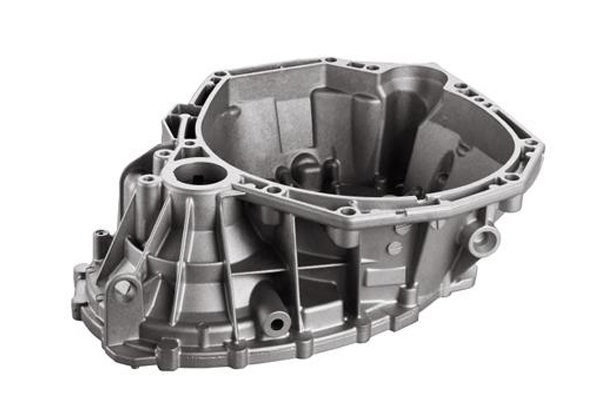
Effective applications of light weight aluminum Casting illustrate its transformative effect across numerous sectors. In the automotive market, business have actually made use of light weight aluminum casting to produce lightweight engine components, significantly enhancing gas performance while keeping toughness. Remarkably, a leading producer adopted die Casting methods to produce complicated transmission housings, leading to a 20% reduction in weight compared to traditional materials.
In aerospace, aluminum spreadings have actually been used for vital airplane parts, improving performance and minimizing total prices. A famous copyright company worked together with a casting firm to create high-strength wing braces, showing premium longevity under severe problems.
Moreover, the electronic devices market has gained from aluminum Casting by producing warm sinks that optimize thermal management for high-performance devices. A tech titan executed precision Casting to attain detailed styles, resulting in boosted item efficiency. These instance studies emphasize aluminum spreading's convenience and its necessary function in driving innovation across multiple fields.
Environmental Influence and Sustainability of Aluminum Spreading
While the benefits of aluminum Casting are well-recognized, its ecological impact and sustainability are increasingly crucial considerations in contemporary manufacturing. The find more production of light weight aluminum involves significant energy usage, primarily from the extraction and refining of bauxite ore, which can add to greenhouse gas discharges. Aluminum Casting offers a path to sustainability through recycling. Recycled aluminum requires only about 5% of the energy required for key production, greatly minimizing the carbon footprint.
Moreover, light weight aluminum's light-weight buildings improve gas efficiency in transportation applications, better minimizing ecological impacts. Producers are additionally embracing cleaner practices and technologies, such as utilizing sustainable energy sources and enhancing waste monitoring systems, to decrease their ecological footprint. Overall, while challenges stay, the capacity for sustainability in aluminum Casting is substantial, making it an important element of ecologically accountable manufacturing solutions. Companies are urged to focus on lasting methods to promote a greener future in this industry.
Future Fads in Light Weight Aluminum Casting and Production Solutions
Sustainable Manufacturing Practices
As sectors increasingly prioritize sustainability, that site aluminum Casting is developing to integrate even more environment-friendly techniques and technologies. Producers are embracing closed-loop systems that recycle aluminum scrap, minimizing waste and power intake. By making use of renewable energy resources such as solar and wind, casting facilities aim to lessen their carbon footprint. Advanced methods, like using water-based finishings rather of solvent-based ones, better boost the ecological profile of light weight aluminum Casting procedures. In addition, there is a change towards light-weight styles that optimize product usage, contributing to source effectiveness. Collective efforts among companies to share ideal techniques and innovations in lasting production are likewise growing, showing a commitment to ecological stewardship within the light weight aluminum Casting sector.
Advanced Casting Technologies
Ingenious Casting innovations are established to reinvent the aluminum manufacturing landscape, driving efficiency and precision to extraordinary degrees. Methods such as 3D printing and automated mold-making processes are arising, allowing the production of complex geometries that were formerly unattainable. These innovations not just decrease waste but additionally shorten lead times, boosting general productivity. In addition, the combination of simulations and anticipating analytics promotes enhanced quality control, permitting makers to foresee potential flaws and optimize layouts before manufacturing. Advanced alloys and therapy processes enhance the mechanical properties of actors aluminum, increasing its applications across numerous industries. As these modern technologies progress, they promise to develop a more receptive and agile manufacturing ecosystem, placing aluminum Casting at the leading edge of development.
Industry 4.0 Assimilation
With the rise of Industry 4.0, light weight aluminum Casting is positioned to go through significant transformations that take advantage of data-driven remedies and clever innovations. The combination of the Net of Points (IoT), expert system (AI), and advanced analytics will allow makers to maximize manufacturing procedures, lower waste, and boost quality assurance. Smart sensors can provide real-time information on material, temperature, and pressure residential properties, assisting in predictive maintenance and minimizing downtime. Furthermore, automation and robotics will improve precision and efficiency in casting operations. These developments will certainly not just streamline operations yet likewise enable personalization and fast prototyping, meeting the progressing demands of the market. Therefore, light weight aluminum Casting will certainly play a critical role in the future landscape of manufacturing, defined by increased dexterity and sustainability.
Regularly Asked Inquiries
What Are the Usual Flaws in Light Weight Aluminum Casting Processes?
Typical problems in aluminum Casting procedures click site include porosity, contraction, incorporations, surface imperfections, misruns, and chilly shuts. These issues can emerge from factors such as improper temperature control, inadequate mold and mildew style, and contamination during casting.
Just How Does Aluminum Casting Contrast to Other Casting Methods?
Light weight aluminum casting, kept in mind for its light-weight and rust resistance, usually outperforms methods like iron or steel Casting in certain applications - Aluminum Casting Manufacturer. Its ability to generate detailed styles and maintain dimensional accuracy improves its competitive edge in manufacturing
What Is the Common Lifespan of Light Weight Aluminum Cast Products?
The typical life expectancy of light weight aluminum actors items varies based on use and environmental conditions, commonly varying from a number of years to years. Aspects such as deterioration resistance and mechanical stress and anxiety significantly affect their longevity and efficiency.
Can Light Weight Aluminum Casting Be Made Use Of for High-Temperature Applications?
Aluminum Casting can be used for high-temperature applications, although its efficiency is restricted by the melting factor of light weight aluminum. Specialized layers and alloys may improve durability and resistance under extreme thermal problems, ensuring effective performance.
What Are the Safety And Security Precautions in Light Weight Aluminum Casting Procedures?
Safety and security preventative measures in light weight aluminum Casting operations include using personal protective equipment, guaranteeing correct air flow, keeping track of temperature, keeping tools, and sticking to safety procedures. These actions help avoid mishaps and secure employees from potential dangers connected with liquified aluminum.
Aluminum casting serves as a critical procedure in the production sector, transforming molten aluminum right into complex shapes and components. The aluminum Casting procedure starts with melting aluminum, followed by putting it right into prepared molds. The future of aluminum Casting is positioned for considerable change through the fostering of lasting production techniques and advanced Casting modern technologies. Light weight aluminum casting, noted for its light-weight and rust resistance, typically outshines techniques like iron or steel Casting in specific applications. Light weight aluminum Casting can be used for high-temperature applications, although its performance is restricted by the melting point of light weight aluminum.